Elisabetta Garletti
Dr Elisabetta Garletti is an art historian, curator, researcher and lecturer working across contemporary art, artists’ moving image, feminist and queer visual cultures. She is an Affiliated Lecturer in History of Art at the University of Cambridge and a Bye Fellow in History of Art at Murray Edwards College. She holds a PhD and MPhil in History of Art from Cambridge, as well as a BA in Modern and Medieval Languages.
Her research focuses on contemporary art and artists’ moving image, with particular interests in feminist, queer and trans approaches to visual culture, postcolonial theory and institutional critique. Her writing has appeared in MIRAJ, The Burlington Magazine, Visual Culture in Britain, Perspective, Burlington Contemporary and ESPACE art actuel, among others. She also works as an editor, contributing to exhibition catalogues and artist monographs.
Her curatorial practice includes Passing Traces, curated at the Ruskin Gallery, Cambridge, in 2025, and The Goddess, the Deity and the Cyborg at The Women’s Art Collection, Cambridge, in 2024.
Alongside her academic and curatorial work, Elisabetta has worked with the press and sales teams at Thaddaeus Ropac and David Zwirner, and as Assistant to the Executive Director at Marian Goodman Gallery. She advises artists on institutional outreach and relationships with museums, galleries, and cultural organisations, and works as a research consultant, including for Art’s Missing Period (dir. Kathryn Everett, 2026), a short documentary exploring the historical censorship of menstrual imagery in art, awarded Gold and Bronze Lions in the Health & Wellness category at Cannes Lions 2026.

Curation
Writing
Peer-reviewed publications & book chapters
-
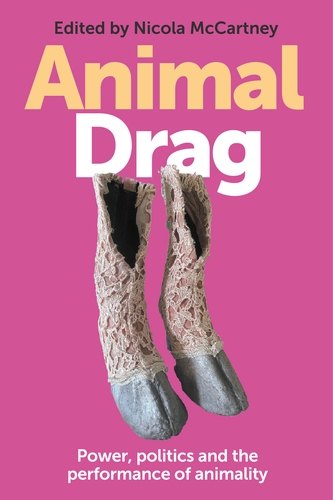
“Rethinking Psychoanalytic Models of Desire through Marianna Simnett's The Severed Tail (2022)”
In Animal Drag, ed. Nicola McCartney (Manchester: Manchester University Press)
-
“Crafting the Body: the Politics of the Handmade in Jamie Crewe's Pastoral Drama”
MIRAJ 15, no. 1 (2026)
-
“Mary Kelly's Concentric Pedagogy”
The Burlington Magazine 167, no. 1470 (2025): 950–951
-
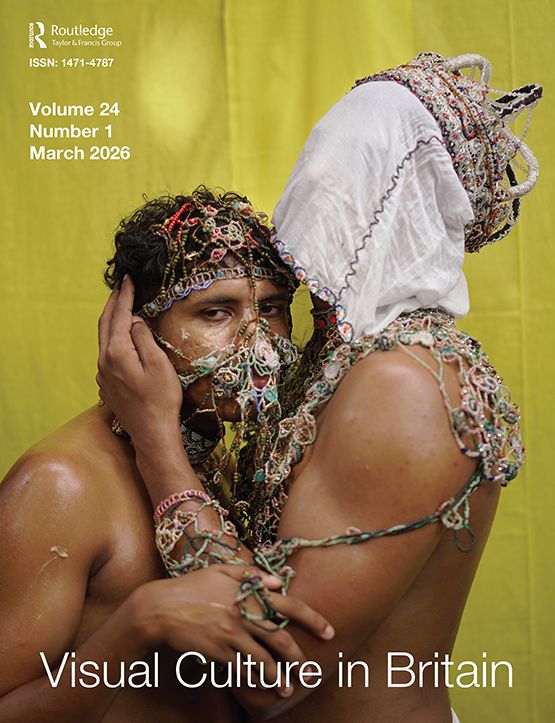
“Imperial Heritage on Trial: Keith Piper's Viva Voce at Tate Britain”
Visual Culture in Britain (June 2025)
-
University of EssexReBus
Gender, Society and ArtIssue 10“‘More Women's Work’: Feminised Labour and the Corporatisation of Feminist Discourse in Lucy Beech's Moving-Image Practice”
ReBus Journal (2025): 30–62
-
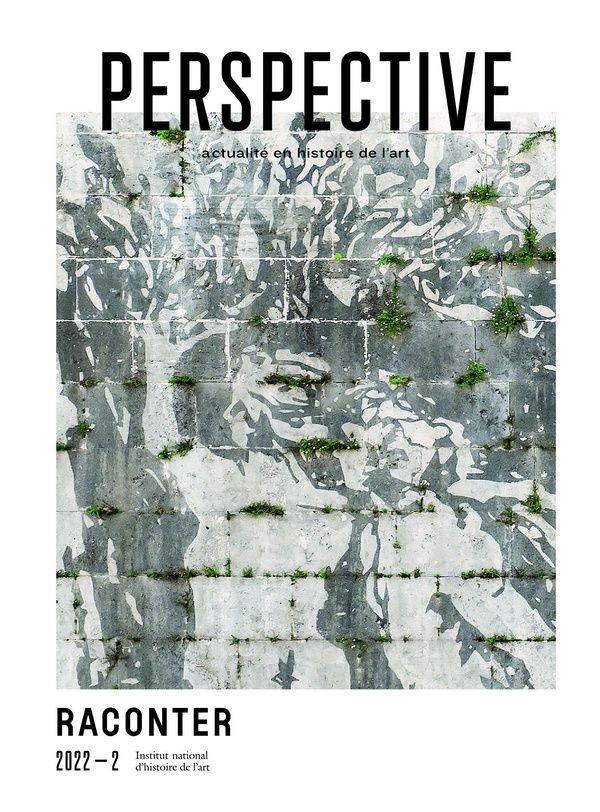
“Récit, genre et tournant « cinématique », ou retour au cinéma. La redéfinition des archétypes du conte de fées et de l'horreur dans l'art de l'image en mouvement : l'expérience britannique”
Perspective : actualité en histoire de l'art, 2022–2, Raconter: 293–306
-
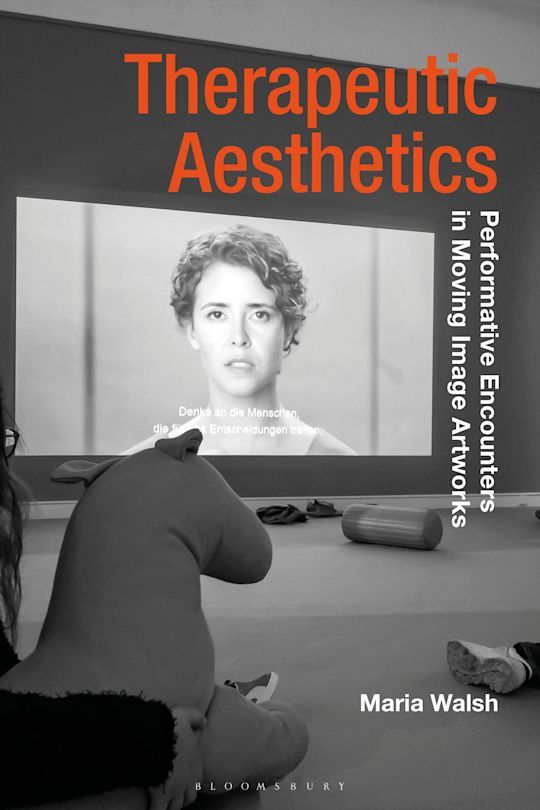
“Therapeutic Aesthetics: Performative Encounters in Moving Image Artworks by Maria Walsh”
Visual Studies 38, no. 1 (2021): 149–15
Press & criticism
-
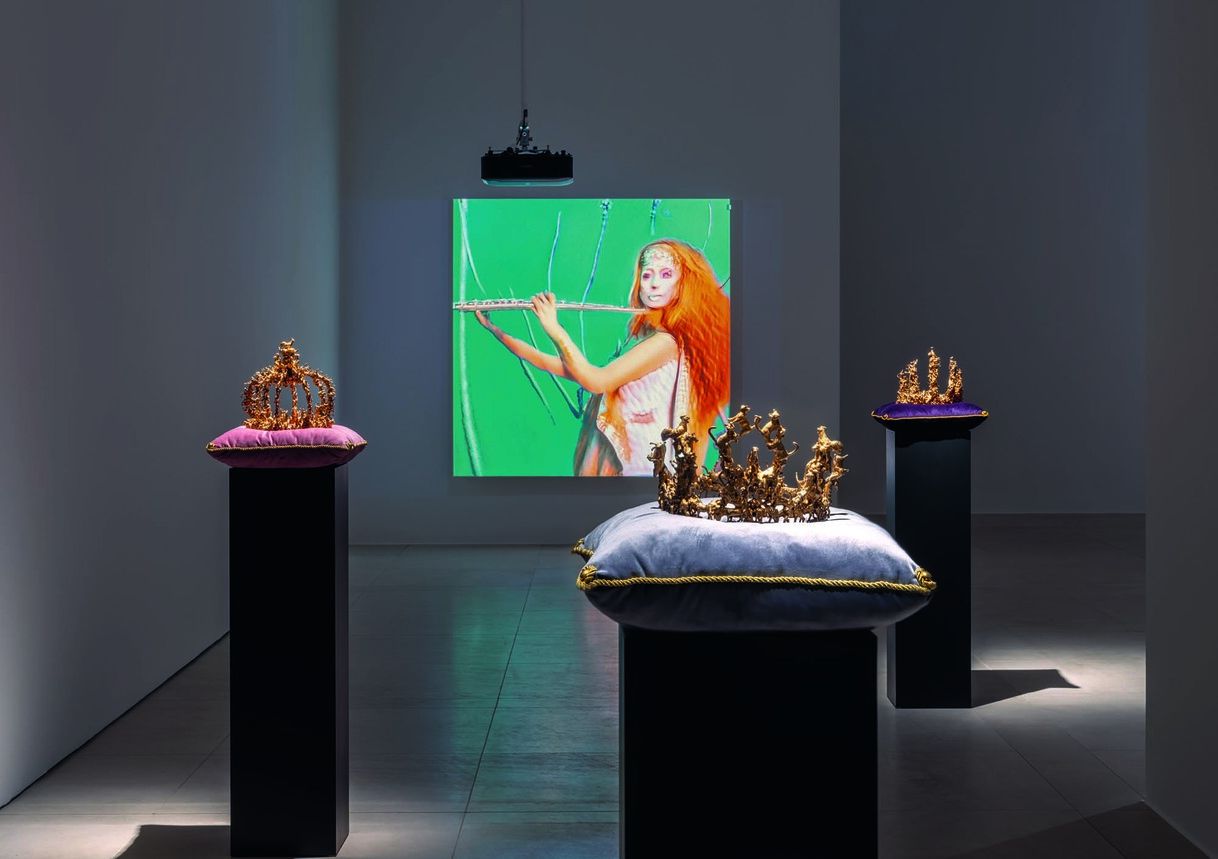
“Marianna Simnett: Headless”
-
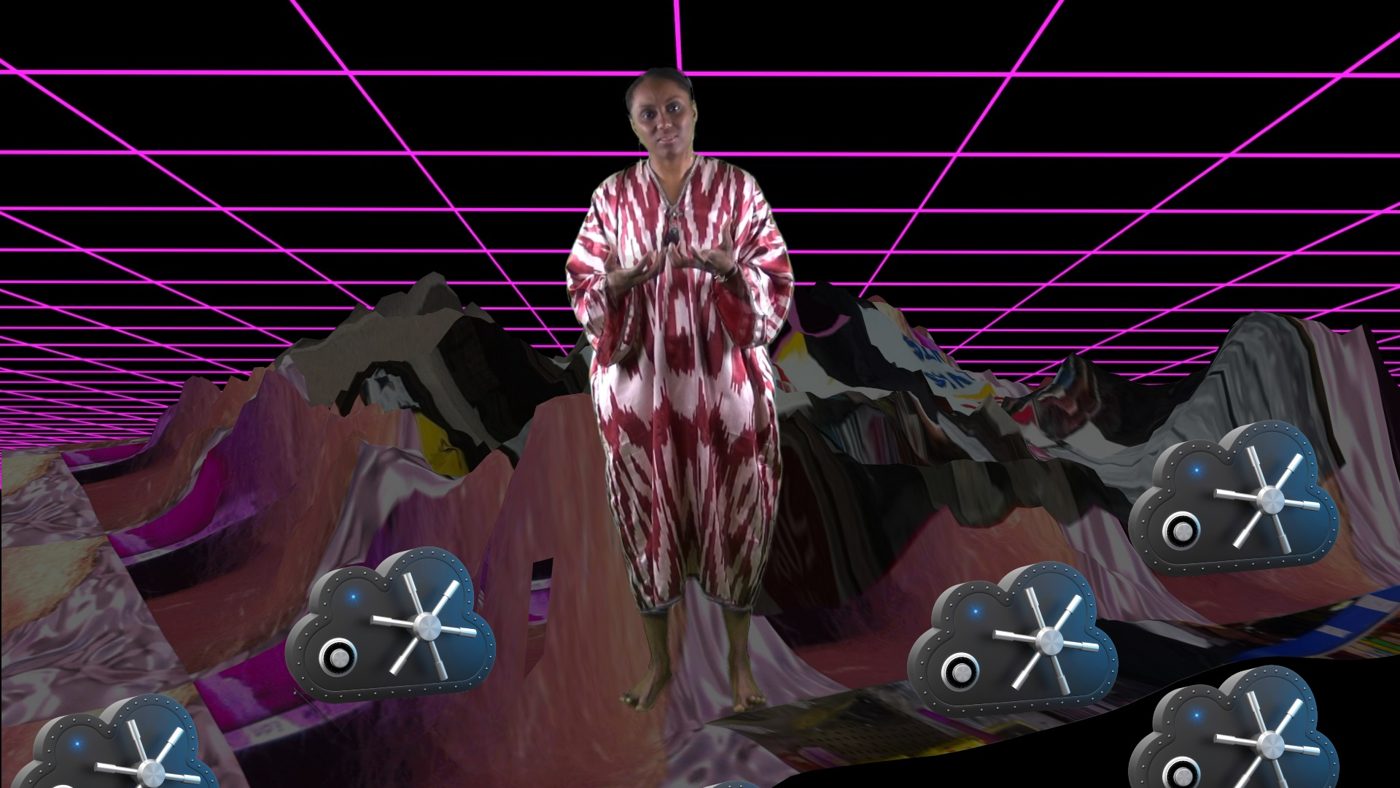
“Ancestral Technologies: Tabita Rezaire's Decolonisation of Past-Futures”
-
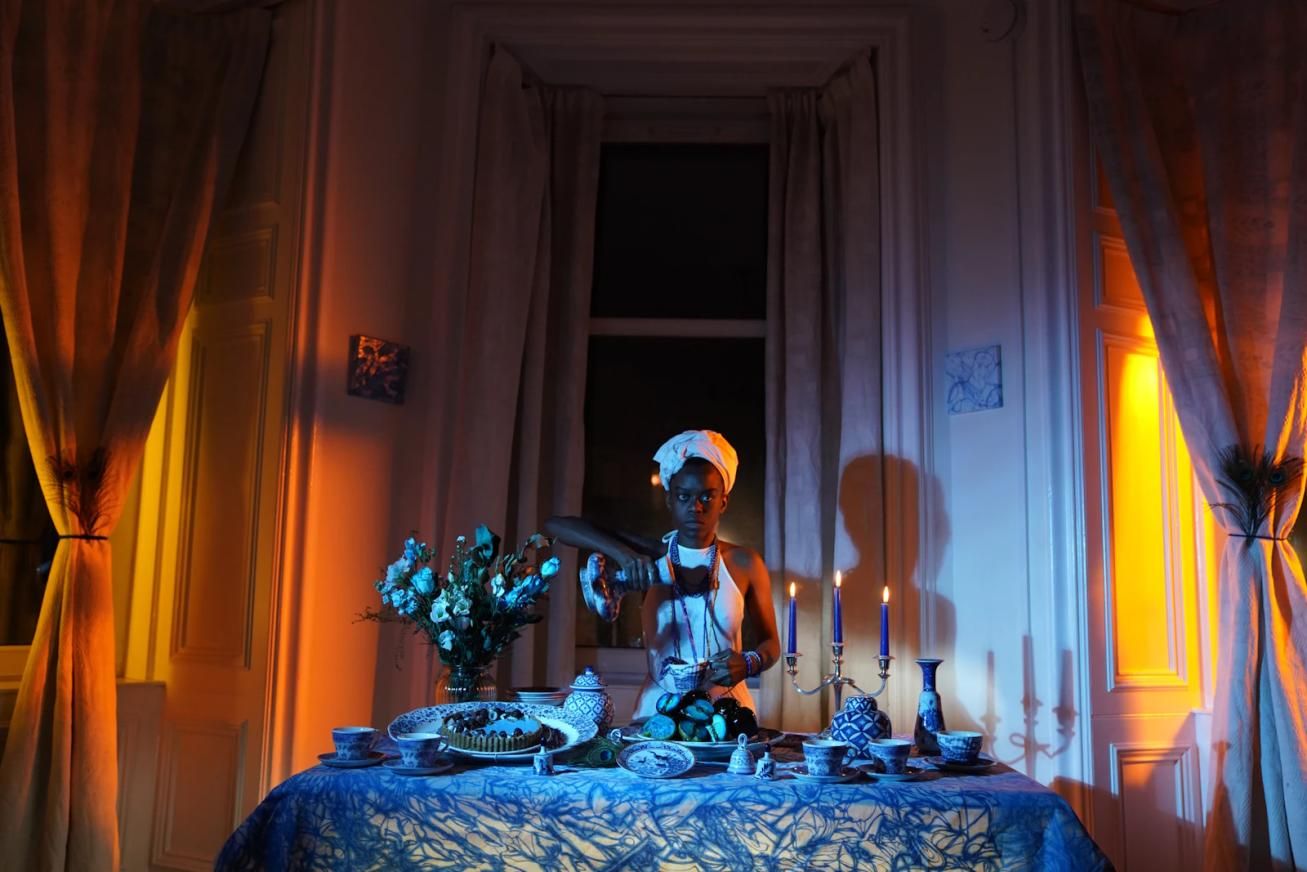
“Against Canonicity: Intersectional Feminist Acts of Demythification in The Women's Art Collection”
-
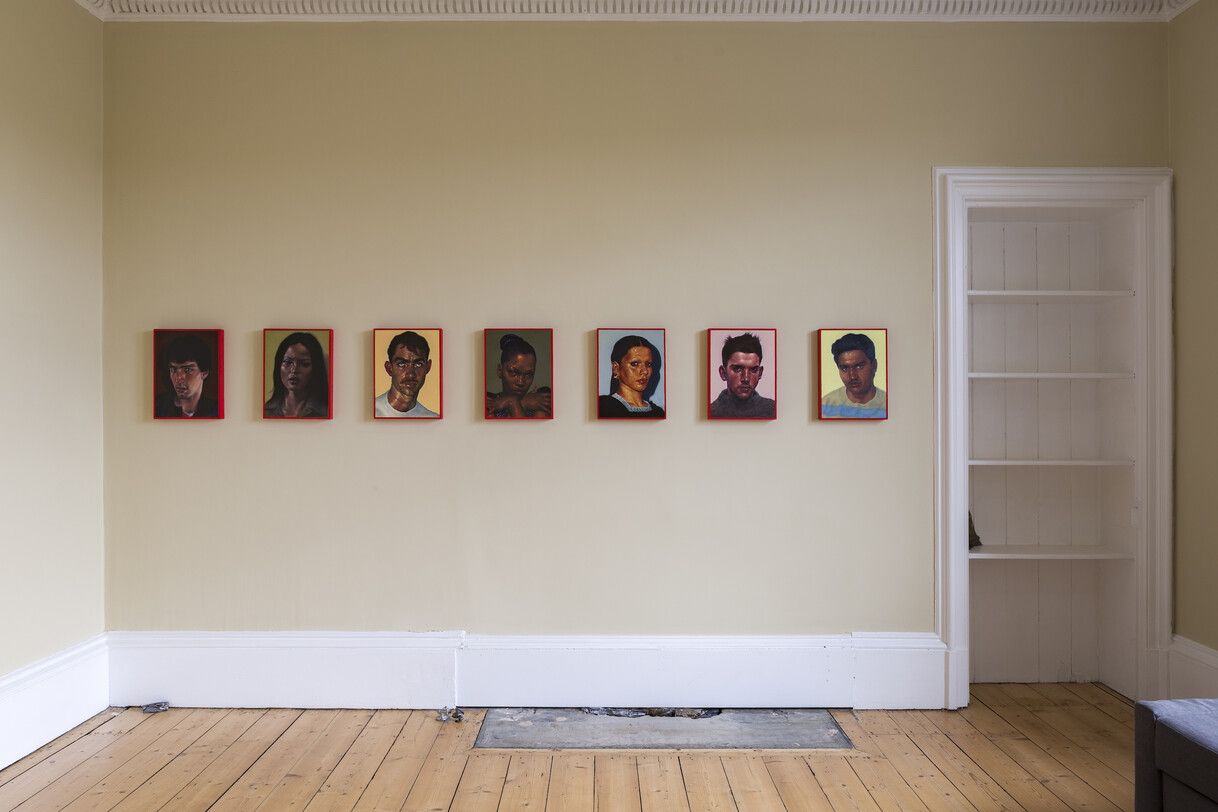
“Jamie Crewe”
-
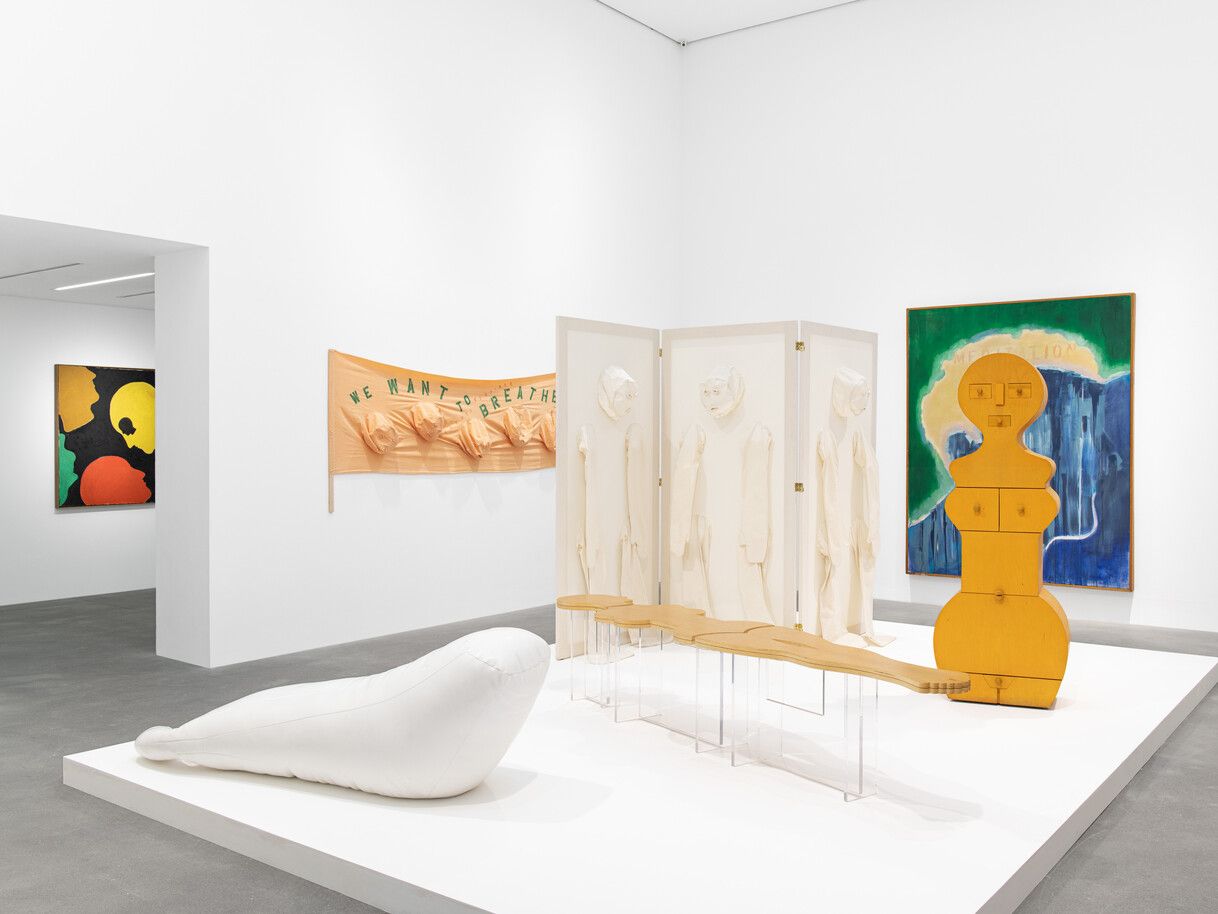
“Nicola L.: The Skin of Things”
-
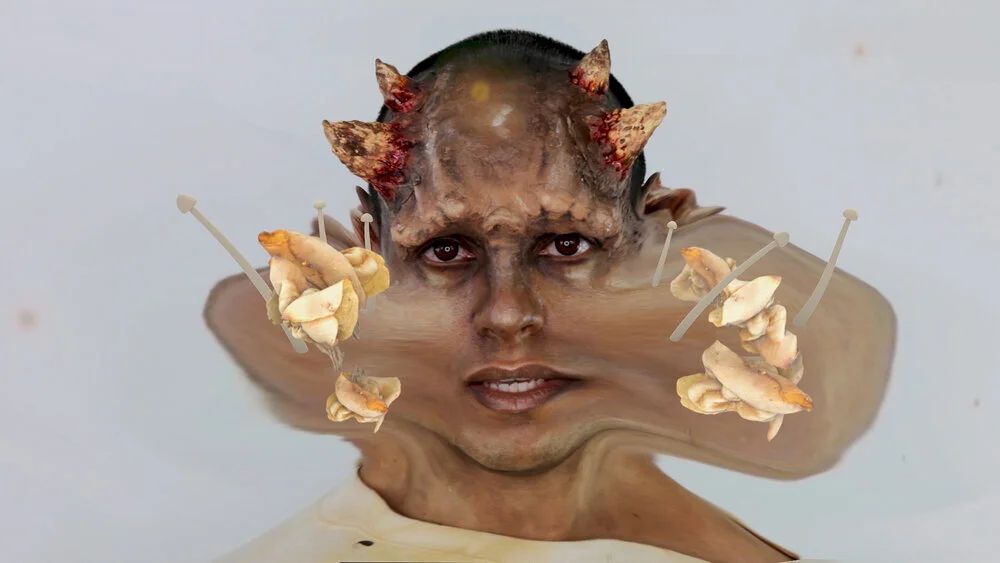
“Toward a Queer Ontology: Adham Faramawy's Skin Flick”
-
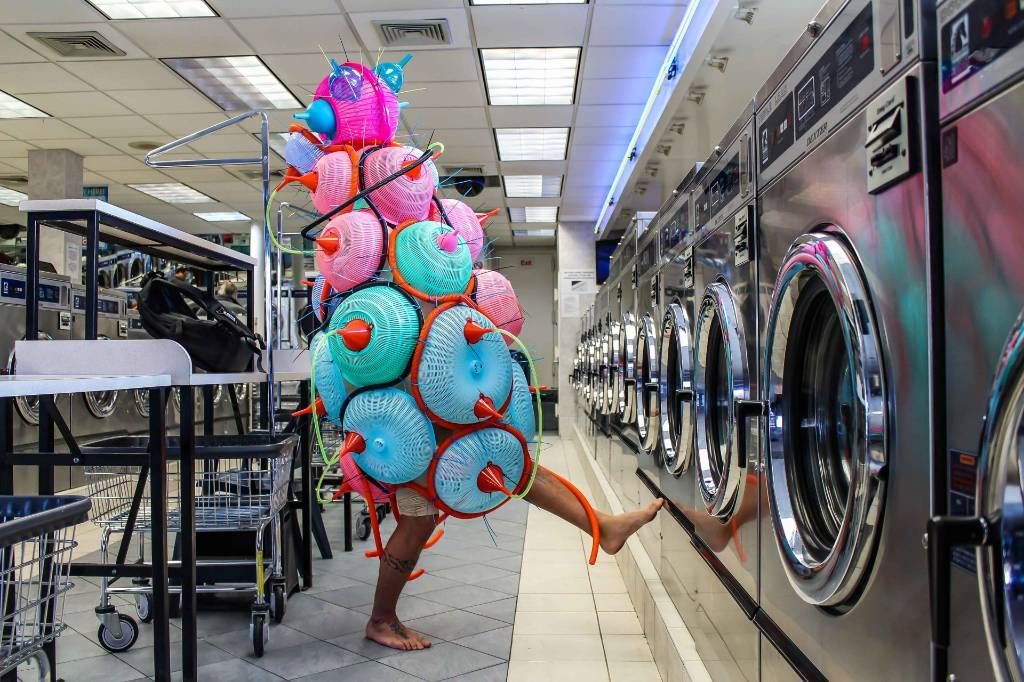
“Dressing the Aliens of Manila: Elisabetta Garletti in Conversation with Leeroy New”
“Domestic Horror and Trans-Femininity in Jamie Crewe's Ashley”
Editorial
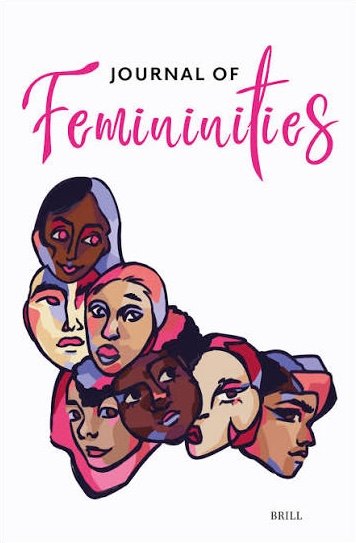
Special issue: “Representing Femininities: Subversion and Conformity in Contemporary Art and Visual Culture”
Journal of Femininities (Brill), forthcoming
-
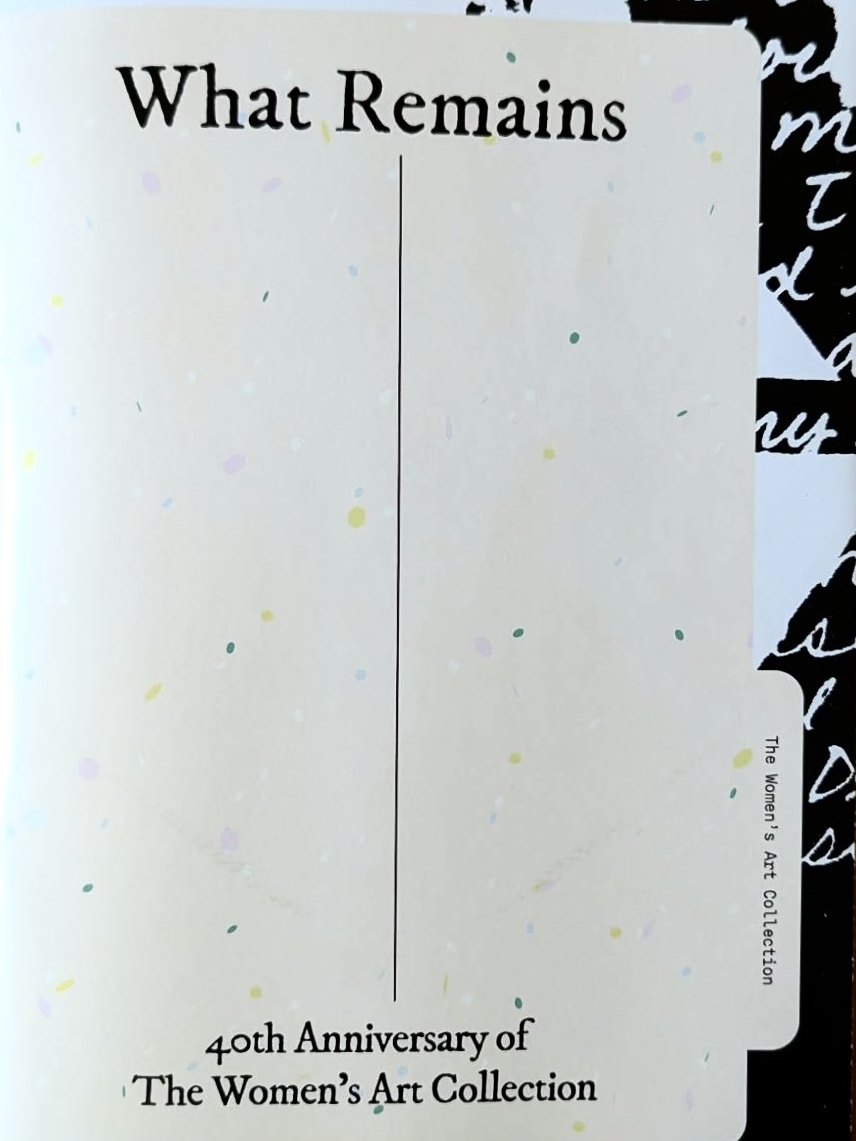
What Remains
The Women's Art Collection, 2026
-
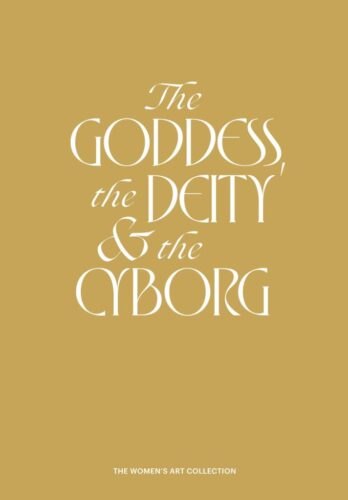
The Goddess, the Deity and the Cyborg
The Women's Art Collection, 2024

Archives
Cambridge Journal of Visual Culture, vol. 2, 2023
-
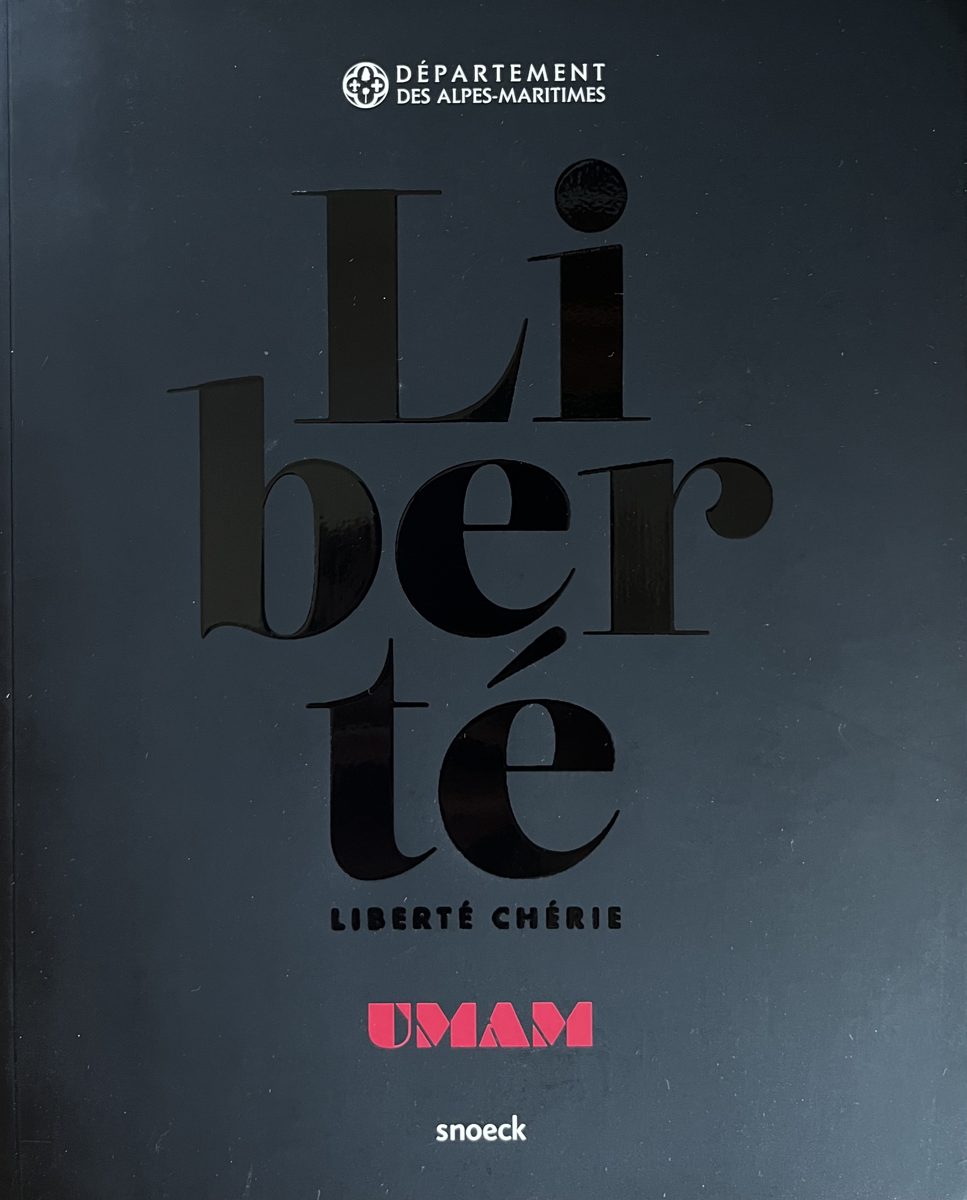
Liberté, Liberté Chérie
Snoeck / UMAM, 2019
Consulting
Research
My research explores gender representation in contemporary art, with a particular interest in how artists question, reproduce and reimagine the visual and cultural forms through which gender becomes legible.
I work across contemporary art and artists' moving image, bringing feminist, queer and trans approaches into dialogue with postcolonial theory, posthumanism and institutional critique. I am interested in representation not simply as a matter of visibility, but as a process through which bodies, identities and forms of subjectivity are made recognisable, contested and transformed.
My doctoral research, Femininities Reimagined: Gender Politics in Contemporary British Moving Image Art, examined how artists working in the legacy of feminist film and video have reworked visual archetypes of femininity in response to queer, transfeminist, postcolonial and posthuman approaches. I focused particularly on strategies of reimagining, including reenactment, re-citation and rescripting, as ways of producing more situated, speculative and intersectional forms of gender representation.
A related strand of my research considers the institutional life of feminist and queer art. I am interested in what happens when practices that emerged as countercultural become absorbed into museums, academic discourse and contemporary art markets, and in whether their critical possibilities can persist under institutionalisation and neoliberal co-option.
My current work examines the renewed visibility of femininity across contemporary art and visual culture, from hyperfeminine and femme aesthetics to online cultures, popular imagery and practices of self-fashioning. I am particularly interested in the tensions that emerge as these aesthetics circulate between queer world-making, mainstream visibility and commercial appropriation.
- “Femme as Method: Reimagining Feminine Aesthetics in Contemporary Art”Session convenor, University of Exeter
- “Pink Defacing: Chromatic Politics in Monumental Protests”AAH Annual Conference, University of Cambridge
- “Critical Femininities? Navigating Subversion and Conformity in Contemporary Visual Culture”Session convenor, 114th CAA Annual Conference, Chicago
- “Feminism's Work Is Never Done: Social Reproduction, Care and the Neoliberal Turn”For an Aesthetics of Care: Reflections on Mother Art Collective's and Elena Cologni's practices, MLAC – Museo Laboratorio di Arte Contemporanea, Sapienza Università di Roma
- “She Who Sees the Unknown: Morehshin Allahyari and the Decolonisation of the Cyborg-Goddess Assemblage”The Goddess, the Deity and the Cyborg Symposium, The Women's Art Collection, Cambridge
- “‘I Am a Prince at Best, a Thief, a Stable Boy More Often Than Not’: Michelle Williams Gamaker's Affective and Fictional Re-Figuring of Sabu's Cinematic Archive”112th CAA Annual Conference, Chicago
- “‘Tail Envy’: Rethinking Psychoanalytic Models of Desire through Marianna Simnett's The Severed Tail”AAH Annual Conference, UCL, London
- “Crafting the Body: Transing Gender Difference in Jamie Crewe's Pastoral Drama”Global New Voices, Association for Art History
- “Staying with the Struggle: The Configuration of Oppositional Discourse in Jamie Crewe's Practice”Hear Them Speak: Voice in Literature, Culture and the Arts, College of Arts PG Annual Conference, University of Glasgow
- “Transing Representation: Invisibility, Craft and Destruction in Jamie Crewe's Pastoral Drama (2018)”PhD Postgraduate Symposium, University of Cambridge
- “‘We are consuming ourselves’: Neoliberal Feminism and the Exploitation of Emotional Capital in Lucy Beech's Cannibals (2013)”Edible Undercurrents: Food in Art History, 56th Annual UCLA Art History Graduate Student Symposium, Los Angeles
- “Queering Biotechnologies: Redefining Gender Representation through Contemporary Medical Practices in 21st-Century Moving-Image Art”AAH Annual Conference